AI without rules is an intern without a boss. I build the process, the memory and the agents.
Thirty years in operations, maintenance, processes, projects and quality. Today I run my company with a team of AI agents, and I build the same for other leaders, with the decision in the hands of whoever signs off.

The same method, from the boardroom to the shop floor.
A team of agents for your company
Process, memory and agents for people who lead operations, processes, quality, projects, sales or the whole company.
- processes
- quality
- projects
- sales
- leadership
AI working like a reliability engineer
For maintenance managers, supervisors and planners (PCM): skills for the real week, a second brain for the plant and the luck diagnostic.
- maintenance planning
- reliability
- failure analysis
- second brain
See it from the inside, for free. The e-book "I cloned myself" shows what a team of AI agents does for running a company: the board, the specialists, the routines and the rules.
Read the e-book →The problem was never the AI. It was the context it was missing.
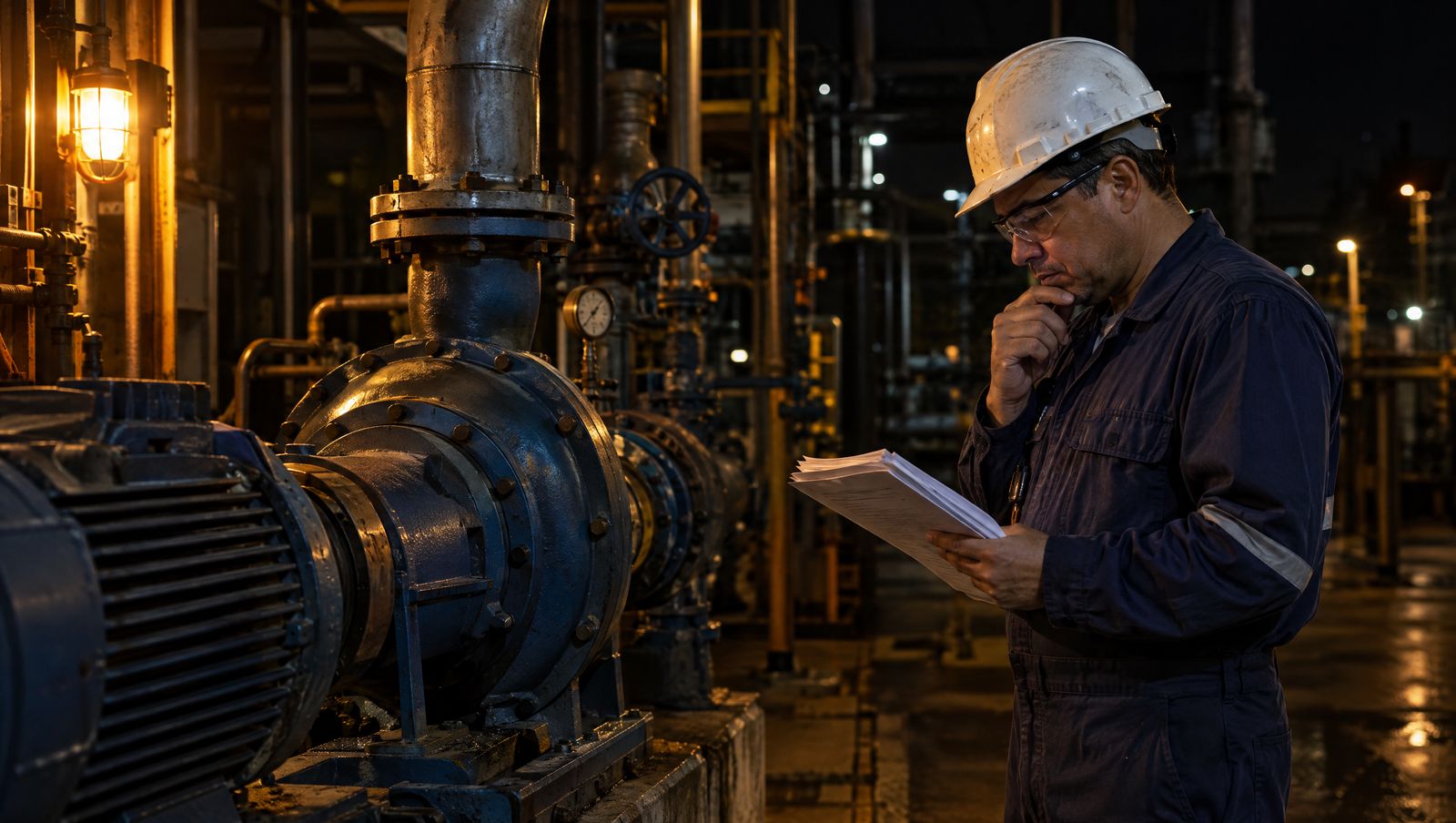
Context beats the modelGeneric AI writes well. The one who knows what to ask, standing next to the pump, is the engineer.
- 01Asks before it answers
Criticality, operating regime, history. Ordinary AI guesses; the skill asks.
- 02Works on your data
A work order export from any system becomes an analysis with the assumptions in plain view.
- 03Delivers in the format management reads
Report, plan, presentation. Not generic text you have to rewrite.
- 04AI recommends, people decide
Every output flags what depends on the technical lead.
The recirculation pump accounts for most of the corrective work: “seal leak”, “replace mech. seal” and “seal leaking” are the same failure.
Suggestion: root cause analysis with the team and a review of the preventive plan. Your call: the Sunday window.
Illustrative example, no customer data.
Your maintenance already has a brain: your most senior technician. What's missing is the second one.

The second brainWhat the technician knows becomes the plant's memory. And it stays when he leaves.
What it is. The maintenance second brain is your plant's organized memory: what the team knows about each asset, written down, connected and ready to be consulted, by people and by AI. It is not one more system. It is what makes the system you already have, and the AI you already use, answer like someone who knows the plant.
- 01Assets you can trust
Standardized hierarchy, criticality and master data. Without that, nothing connects.
- 02History that explains
A closed work order that says what was found, the cause and what was done. Not just “done”.
- 03What was never written down
Procedures, manuals, lessons learned and the bench technician's tricks, captured before retirement.
- 04Everything linked
Each failure linked to the asset, the cause, the action and the result. That link is what becomes context for the AI.
Sam's note (March work order): “check the base before you blame the coupling”.
Manual, section 4.3: cross-pattern tightening, 65 N·m.
Suggestion: laser alignment and a base check. Your call.
Illustrative example, no customer data.
I help build your maintenance second brain. With your team, in the system you already use: an assessment of what exists, a recording standard, capture of the knowledge that is about to walk out the door, and AI connected to consult it.
I want to build mine →Skills for the real week of people who run maintenance.
For maintenance managers, supervisors and planners. They work in the AI you already use: Claude, ChatGPT, Copilot or Gemini.
Preventive plan per asset
Recurring failures from work orders
Guided root cause analysis
Backlog cleanup
Monthly management report
Shutdown scope and schedule
Critical spare parts per asset
The difficult conversation with a technician
Where does your maintenance still depend on luck?
Twelve questions born from a Friday with a reactor down and a bearing found too late. At the end, you see where the risk is and get the reading by email.
- 01Where is the history of your critical asset?
And how long does it take to rebuild it?
- 02Do recurring failures show up on their own?
Or does someone have to remember them?
- 03Is the knowledge in the system?
Or in your most senior technician's head?
From the first prompt to your plant's copilot.
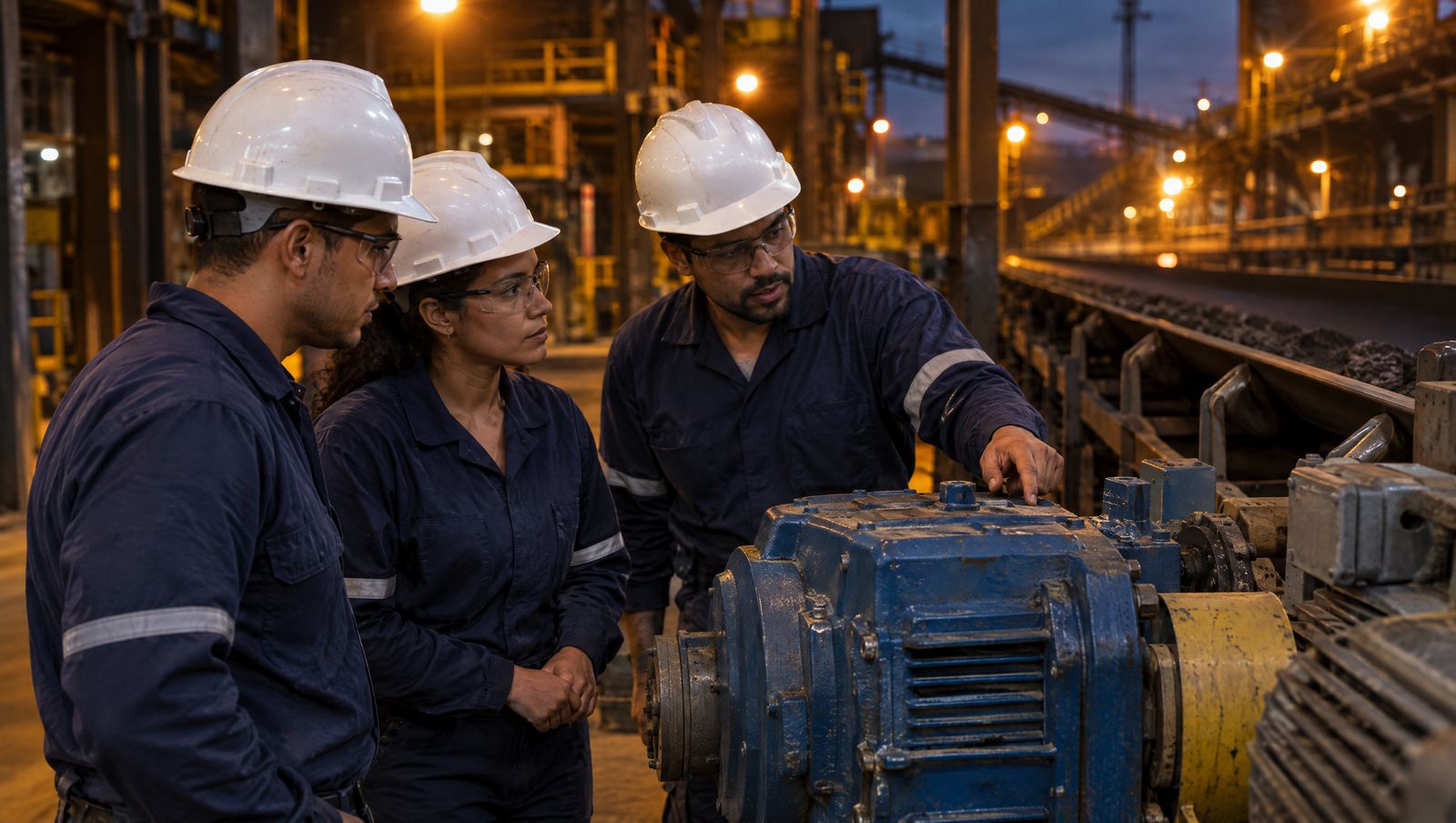
AI recommends, people decideTechnology shortens the path. The decision stays with the people who know the plant.
Kit
Ready-made skills for the working week.
Applied course
Failure Analysis with AI, from the data to management.
Program
Eight live weeks, with a project in your plant.

A maintenance engineer before becoming a CEO.
About 20 years ago, a defective bearing found by chance on a Friday, with a critical reactor almost reassembled, changed my question: the problem was not the bearing, it was the information model. Since then I have worked so that maintenance stops depending on luck.
What I think about AI in maintenance, in 55 slides.
AI amplifies the data you already have. The talk I presented at the SMRP conference follows one pump from start to finish to show what needs to be in place before AI, and how it enters planning, decision-making and failure analysis.

Implementation, mentoring, talks or workshops.
To set up a team of agents in your area, tell me the size of the team and the task that steals the most time. Mentoring is by application. For talks and workshops, tell me the event or the team and the date. I reply personally.