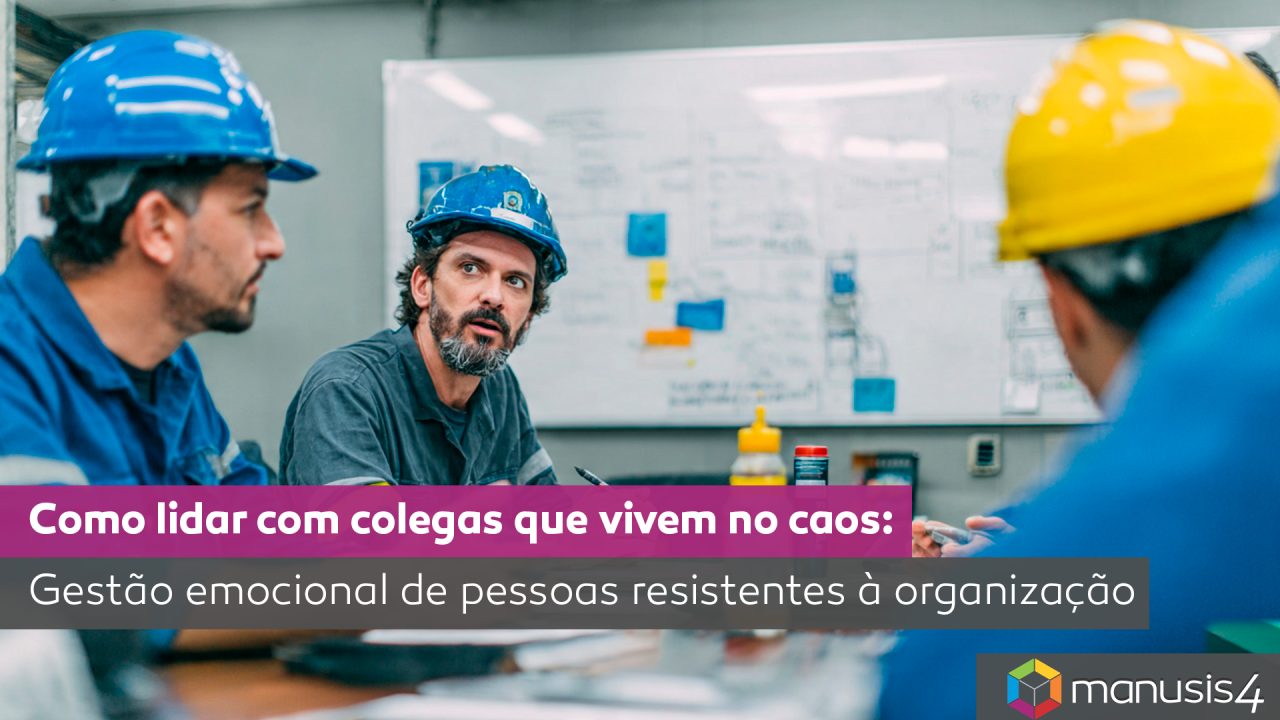
🌪 "He's technically good, but he lives in chaos."
Every team has, or has had, someone like that.
🔧 Solves problems.
🔥 Puts out fires.
😵💫 But is always late, disorganized, improvising everything.
And without realizing it, pulls the whole team into the chaos.
The problem isn't just operational.
It's emotional and unconscious.
What's behind chaotic behavior?
NLP helps us see beneath the surface.
People who live in chaos often:
- only feel important when there's an emergency
- associate organization with losing autonomy
- are afraid of being "ordinary" when everything runs smoothly
- confuse rushing around with personal worth
- learned that they're only noticed when something goes wrong
👉 Chaos becomes identity.
And you don't change identity with a scolding.
The leader's classic mistake
Trying to "organize by force."
📢 Excessive pressure
📢 Rigid rules
📢 Comparisons with organized coworkers
The result?
➡️ More resistance
➡️ Silent sabotage
➡️ A heavy atmosphere
➡️ Hidden conflict
How do you handle this intelligently?
- Separate the person from the behavior
Don't label: "you're a mess."
Name the pattern: "when work orders aren't logged, the team loses predictability."
- Show the collective impact of chaos
Individual chaos becomes collective stress.
Use data, not accusations.
- Highlight the emotional payoff of being organized
Show that organization doesn't take away value. It builds authority.
- Give structured ownership
Delegate clear responsibilities with a beginning, middle, and end.
Chaos shrinks when the person feels a healthy sense of control.
Where does Manusis4 really help with this?
Manusis4 is a silent teacher of behavior.
✅ Clear workflows reduce improvising
✅ Visible work orders expose bottlenecks without confrontation
✅ Data takes the debate out of the personal realm
✅ Organization becomes the standard of the environment, not something the leader imposes
➡️ When the system organizes, chaos loses room to exist.
✍️ Today's reprogramming:
"I help people get out of chaos without attacking them.
Organization is support, not punishment."
Conclusion
Not all chaos comes from lack of ability.
Often, it's an unconscious attempt to be seen.
Leading means offering structure so that even the chaotic ones can grow, without losing who they are.
Next week, we'll talk about technicians who feel unheard, and how to reverse that feeling of invisibility.