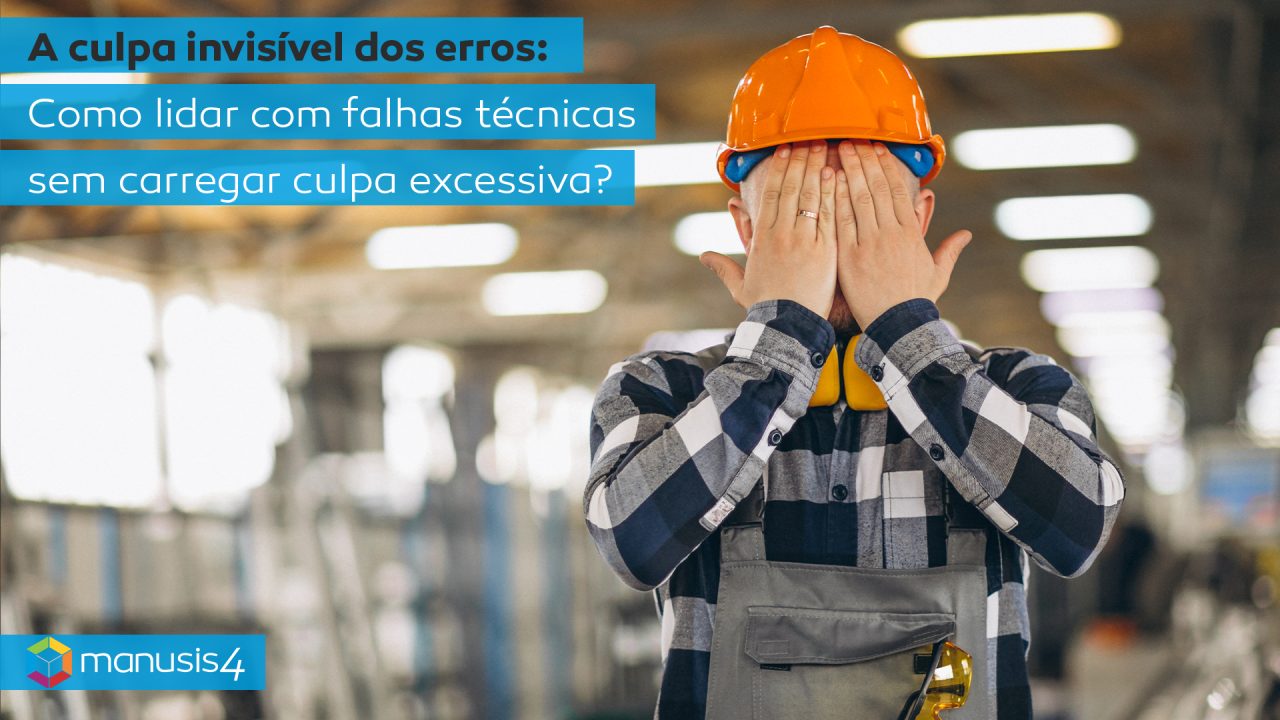
😓 When a mistake weighs more than it should
In maintenance and facilities, mistakes are part of the game.
Fast decisions, technical variables, time pressure and limited resources.
But on many teams, what freezes people most isn't the technical mistake.
It's the emotional weight that comes after it.
That inner voice saying:
"I should have seen this coming."
"It was my fault."
"I'm letting the team down."
"I'm not as good as they think."
That kind of silent guilt erodes confidence, sabotages leadership and stalls growth.
What does NLP have to say about this?
According to Neuro-Linguistic Programming:
You are not the mistake you made. You're the one who learns from it.
NLP teaches us to separate identity from behavior.
🔧 Behavior = something you did
🧍 Identity = who you are
When a technical mistake is read as a personal failure, the mind builds patterns of:
- Self-sabotage
- Fear of putting yourself out there
- Limiting beliefs like "I'm not capable"
- Avoiding bolder decisions
How do you break this cycle?
- See the mistake as an event, not a sentence
One mistake doesn't erase everything you've built.
- Change the inner question
From: "Why did I get it wrong?"
To: "What is this mistake trying to teach me?"
- Turn guilt into light, growth-oriented responsibility
Own what's yours, but without drama, without exaggeration, without self-judgment.
How does Manusis4 help with this?
✅ It creates traceability: the mistake stops being a guess and becomes data
✅ It shows history: we learn from patterns instead of blaming people
✅ It structures processes: fewer mistakes from miscommunication or forgetting
✅ It shifts the focus from who got it wrong to how to prevent it next time
💡 When the system has your back, the team doesn't have to carry everything alone.
✍️ Today's reprogramming:
"A mistake is a bridge, not a wall.
I learn, I grow and I come back stronger."
Conclusion
Guilt paralyzes you.
Conscious responsibility moves you forward.
Leading a team that learns from mistakes, instead of punishing them, builds a culture of safety, growth and excellence.
Next week, we'll talk about how to give technical feedback without demotivating people, even in demanding environments.