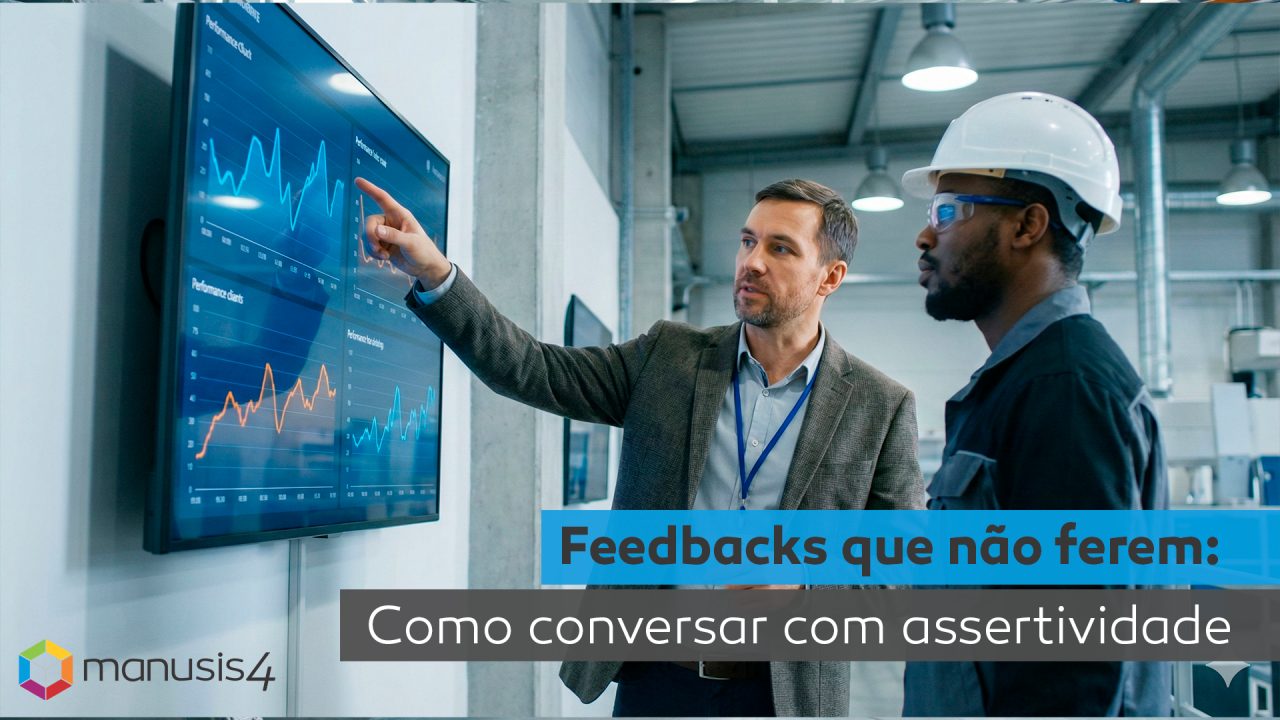
💬 Feedback: one of the most misunderstood words in technical environments.
When someone hears "I need to give you some feedback," what the unconscious brain hears is:
"You're about to criticize me."
The result?
❌ Resistance.
❌ Emotional shutdown.
❌ Automatic defensiveness.
❌ Worn-out relationships.
What does NLP teach about this?
In NLP, we know that how you say it matters as much as what you say.
And that real communication happens in the other person's unconscious, not just in the words.
Feedback only works if:
- the other person feels respected,
- understands the positive intention,
- and walks away wanting to improve, not wanting to protect themselves.
The most common mistake in technical departments
Turning feedback into a scolding.
Instead of correcting the course, the leader delivers a "chewing out" disguised as concern.
That feeds the fear of failure, the silence across the team, and the loss of trust.
How do you give feedback that doesn't hurt?
Use the assertiveness formula with NLP:
- Start with a specific observation (no judgment).
🗣 "I noticed that the last 3 work orders were closed out late."
- State the real impact (don't dramatize).
🗣 "That affected the team's schedule and created rework."
- Reinforce the person's value (break the tension).
🗣 "I know how committed you are, and this isn't the norm in your work."
- Ask a question to co-create the solution.
🗣 "What do you think might be going on? How can we adjust this together?"
This structure creates support and growth, not embarrassment and defensiveness.
How can Manusis4 help?
Good feedback needs data, not guesswork.
With Manusis4, you can:
- see each technician's history;
- have solid ground for the conversation;
- track progress (not just mistakes);
- and turn feedback into an improvement plan.
➡️ That changes the tone of the conversation: from judgment to partnership.
✍️ Today's reprogramming:
"I communicate with respect, clarity, and positive intention.
The other person isn't my enemy. They're my ally in growth."
Conclusion
Feedback doesn't have to be painful.
Done well, it becomes fuel for growth, both technical and emotional.
Next week, we'll explore a delicate topic: how the unconscious mind sabotages the use of technology in maintenance.